

Lower energy cost without disrupting production
Independent ASHRAE-aligned energy audits and implementation oversight for industrial and commercial facilities in Mexico. No equipment sales. No vendor commissions.
No supplier contact. Confidential.
Verified over 18 months. Results vary by facility.
Confidential energy review
Share your contact details and current electricity supply. MEP replies by email with an initial assessment and the next step. Bills and plant data are requested only after that.
Prefer email? Write to info@mexicoenergypartners.com
Energy waste creates cost, capacity and operating risk
Cost exposure
Tariff structure, demand peaks, operating schedules and equipment performance determine delivered energy cost. Under GDMTH, capacity is billed on maximum demand in the punta period, so one badly timed load can set the month's charge.
Capacity pressure
Hidden load growth and simultaneous equipment demand can force avoidable electrical and cooling investment. A new CFE transmission connection can take up to 25 months. Capacity recovered through efficiency is available now.
Operating risk
Unstable controls, poor power quality and deferred maintenance create production and reliability exposure. A power factor below 90% also draws a CFE surcharge (tariff provisions, DOF, October 31, 2000).
A credible audit connects all three to one measured baseline.
Large consumers now carry energy management obligations
Each of these depends on a measured energy baseline. An audit builds it once, in a form finance, operations and auditors can all use.
UPAC energy management
Sites that used more than 45 GWh of electricity, or 100,000 barrels of oil equivalent of fuel, in the prior year are UPAC. They must run an energy management system based on international standards such as ISO 50001 and report to CONUEE each year.
RENE emissions registry
Facilities above 25,000 tCO2e a year, counting emissions from purchased electricity, report to RENE each year, with third-party verification every three years.
NIS sustainability disclosure
Companies reporting under Mexican NIF disclose Scope 1 and 2 emissions and energy use under CINIF NIS standards, starting with fiscal 2025.
MEP provides advisory and specification support, not certification. CONUEE is preparing updated rules for 2027. References as of 19 September 2026. Verify current rules before relying on this page.
The capital decision sets the audit level
The audit is an investment decision, not a checklist. Scope is confirmed before fieldwork so the evidence matches the decision you need to make.
Level 1 diagnostic
Establish materialityBills, walkthrough, operating interviews and a prioritized opportunity screen.
Level 2 detailed audit
Build the finance caseTargeted measurement, engineering calculations, investment ranges and modeled savings.
Level 3 investment analysis
Prepare for executionDetailed engineering evidence for complex measures, financing and final capital approval.
Measure the loads that can change the decision
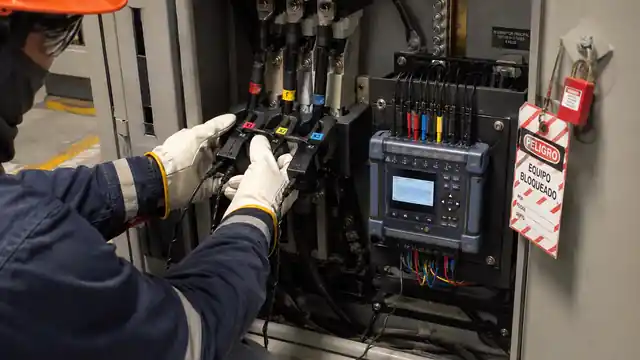
Electrical baseline
Tariff, demand, interval profile, load factor and peak windows.
Major loads
HVAC, compressed air, motors, process equipment, lighting and controls.
Operating conditions
Schedules, setpoints, production requirements and maintenance state.
Implementation limits
Uptime, interfaces, safety, access, capital timing and approval ownership.
The recommendation is facility-specific and traceable to measured evidence.
Two engagements, two levels of evidence
MEP labels every figure by what stands behind it. Verified means measured under IPMVP after installation. Modeled means engineering estimates from the audit.
Chemicals plant, Veracruz coast
12 MW peak demand. Three measures: steam system, chiller and cooling tower, and a 499 kWp solar array.
Client name withheld. Results vary by facility.
Distribution center audit
The audit identified monitoring, HVAC fan drives, free cooling, compressed-air improvements and mezzanine lighting opportunities.
| Measure | Investment (USD) | Annual savings (USD) | Simple payback |
|---|---|---|---|
| Energy monitoring | $32,100 | $8,975 | 3.58 years |
| HVAC fan drives | $3,940 | $865 | 4.55 years |
| Free cooling | $7,500 | $1,635 | 4.59 years |
| Mezzanine LED lighting | $31,350 | $19,440 | 1.61 years |
Modeled and identified results. Modeled reductions are about 87.3 tCO2e a year. Realized savings depend on final specifications, installation and operation. Compressed-air improvements remain a qualitative target pending a dedicated leak survey.
Implementation oversight protects the audit case
Audits stall after the report. In the US Department of Energy industrial assessment program, about a third of identified savings were realized, held back mostly by financing, ownership and plant constraints. MEP stays through award and commissioning.
Confirm
Revalidate conditions and prioritize measures.
Specify
Issue vendor-ready technical packages.
Procure
Run the bidder process and normalize offers.
Commission
Verify installed performance and handover.
Installation windows and site access are coordinated with operating and production schedules.
One record aligns three stakeholder decisions
Finance
Investment caseBaseline, cash flow, payback, retained risks and expected net benefit.
Procurement
Comparable bidsVendor scope, qualified bidders, normalized offers, warranty and award rationale.
Engineering
Executable basisMeasured conditions, interfaces, acceptance criteria and commissioning record.
The same evidence carries from recommendation through award, installation and verification.
MEP remains independent through implementation
Recommendations are evaluated against facility requirements. MEP has no economic interest in which contractor, supplier or equipment brand is selected.
Independence is a governance control.
What plant and finance teams ask first
Will the audit disrupt production?
No shutdown is required. Measurements are scheduled around production windows, and access, safety and uptime limits are agreed before fieldwork starts.
What should we send first?
Your contact details, the plant location, the type of operation and the cost or decision you want to quantify. That is enough for MEP to make an initial assessment and recommend the audit level. Bills, interval data, equipment lists and schedules are requested after that.
How do Level 1, 2 and 3 audits differ?
Level 1 tells you whether the opportunity is material. Level 2 builds the finance case with measurement and engineering calculations. Level 3 adds the engineering detail needed for complex measures and final capital approval.
Does the UPAC obligation apply to our site?
It applies to sites that used more than 45 GWh of electricity, or more than 100,000 barrels of oil equivalent of fuel, in the prior year. CONUEE is preparing updated rules for 2027. MEP checks your position from your consumption data.
Who installs the measures?
Qualified contractors selected through a competitive bid that MEP runs for you. MEP sells no equipment and takes no commissions, so the award follows your requirements.
Are savings guaranteed?
No. MEP reports modeled savings as modeled and verified savings only when measured under IPMVP. Every figure in the audit states its assumptions and retained risks.
Begin with a confidential energy review
Share your contact details and current electricity supply. MEP replies by email, confirms the plant location, the type of operation and the cost or decision you want to quantify, and names the audit level that matches it. Bills and plant data are requested after the initial assessment.
No supplier contact. Confidential.
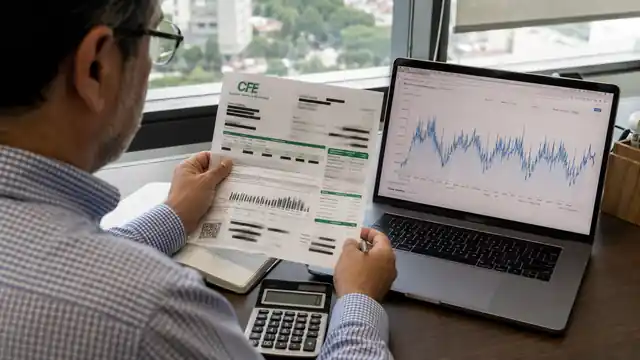
Request a preliminary assessment
Share your contact details and current electricity supply. MEP replies by email with an initial assessment and the next step. Bills and plant data are requested only after that.
Prefer email? Write to info@mexicoenergypartners.com